
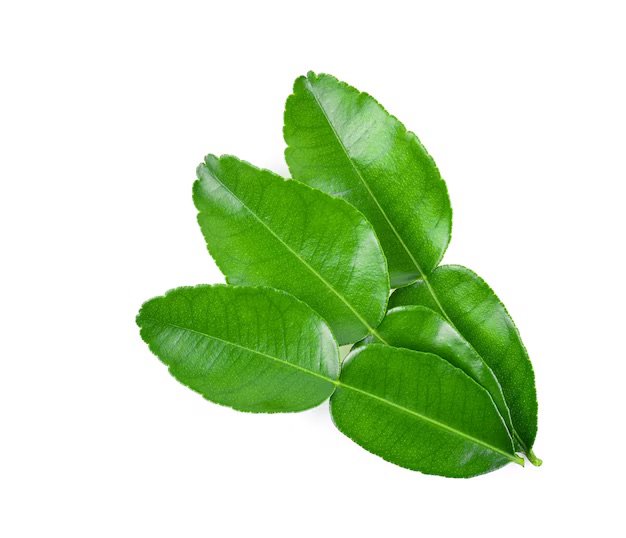
Fresh herbs are what make Thai food taste Thai. A green curry made with dried kaffir lime leaves and powdered galangal is a different dish from one made with fresh aromatics. For restaurants, hotel kitchens and Asian food distributors outside Thailand, the challenge is getting those herbs fresh, consistently and at a sensible cost. This guide explains how to source fresh Thai herbs directly from Thailand and what to check before you choose a supplier.
Why buy fresh Thai herbs directly from Thailand?
- Aroma and flavour. Herbs such as kaffir lime leaves, lemongrass and Thai basil lose most of their volatile oils when dried or frozen.
- Range. Thailand grows many herbs that are hard to find elsewhere, including young galangal, rice paddy herb, cha-om and fingerroot.
- Year-round supply. Most Thai herbs grow throughout the year in a tropical climate.
- Fewer middlemen. Buying from an exporter that grades and packs in Thailand gives you more control over quality and price.
The core Thai herb list for a professional kitchen
| Herb | What good quality looks like | Common problems to watch for |
|---|---|---|
| Kaffir lime leaves | Deep green, glossy, strong citrus smell when torn | Yellowing, black spots, leaves drying at the edges |
| Galangal | Firm rhizomes; young galangal pale with pink shoots | Soft or wrinkled skin, mould at cut ends |
| Lemongrass | Firm, pale stalks with a strong lemon aroma | Dry, fibrous stalks; excessive untrimmed leaves |
| Bird’s eye chili | Bright colour, firm and glossy, green stems | Wrinkling, soft spots, colour fading |
| Thai basil | Purple stems, intact leaves, anise aroma | Black or bruised leaves (basil is cold-sensitive) |
| Pandan leaves | Long, unbroken, bright green leaves | Tears, browning tips |
| Coriander root | Clean roots with some stem attached | Excess soil, rotting roots |
Air freight or sea freight?
Most fresh herbs and leaves travel by air freight because their shelf life is short. Robust items such as mature galangal, coconuts and some vegetables can travel by sea freight in reefer containers at a lower cost per kilo. Many distributors use both: a regular weekly air shipment for herbs and leafy items, and periodic sea shipments for products that can handle the transit time.
Temperature: not every herb likes the cold
A common mistake is storing all herbs in the same chiller. Thai basil, for example, is easily damaged by cold and turns black, while kaffir lime leaves and lemongrass handle cooler temperatures well. Ask your supplier for the recommended storage temperature of each item, and make sure your receiving team and your customers follow it.
Documents you will usually need
Requirements depend on the destination country, but a fresh herb shipment from Thailand typically travels with a phytosanitary certificate, a commercial invoice, a packing list and a certificate of origin. Some markets also apply extra checks, such as pesticide residue testing, to certain herbs and chilies. Confirm the current rules with your customs broker or import authority before your first order, and choose a supplier that is used to preparing export paperwork.
Questions to ask a Thai herb supplier
- Do you grade and pack in your own facility, or do you trade products packed by others?
- Which certifications does your packing facility hold (for example GMP or HACCP)?
- How often do you ship, and from which airport?
- Can I combine herbs, vegetables and fruit in one mixed shipment?
- What pack sizes do you offer for food service and for distribution?
- What is your minimum order per shipment?
- Can you send samples before a first order?
- How do you handle quality claims on arrival?
Start with a mixed trial shipment
The safest way to start is a small mixed trial order covering your most important items. It lets you check quality on arrival, test shelf life in your own cold room and see how the supplier handles documents and communication before you commit to a regular schedule.
TCLI supplies more than 300 Thai herbs, vegetables and fruits to distributors, hotels and restaurants. See our Thai herbs and aromatics range, read how we work with distributors and HoReCa buyers, or contact us to request a quotation.